Gunsmithing is traditionally associated with hunting and sport shooting. However, it also plays a crucial role in providing solutions for personal defense . With growing concerns about security, more and more individuals are seeking legal and effective ways to protect themselves or their homes. The non-lethal defense pistol is emerging as a preferred option. It offers deterrence and incapacitation without the potentially tragic consequences of a conventional firearm.
This article explores the world of defensive pistols available in gun shops. We'll detail their different types, features, ammunition, and safety benefits, while emphasizing compliance with current legislation.
.png)
The Defense Pistol: A Deterrent and Safe Solution
Non-lethal defense pistols are designed to temporarily incapacitate an attacker or deter a threat, without causing permanent or fatal injury.
The Different Types of Defense Pistols
The market offers a variety of defense pistols, each using a specific propulsion mode and ammunition:
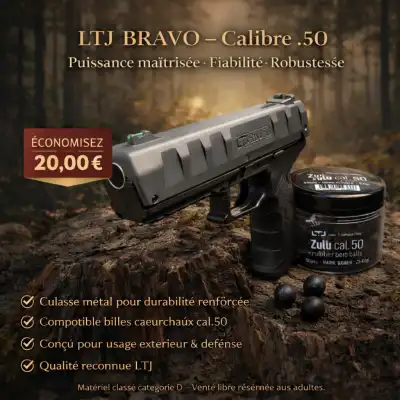
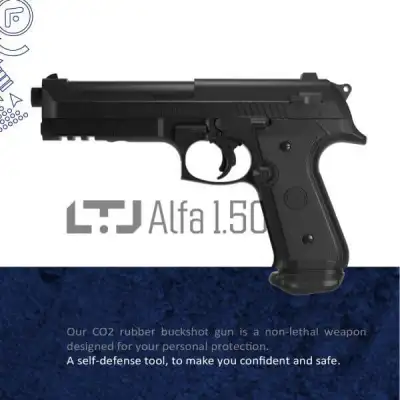
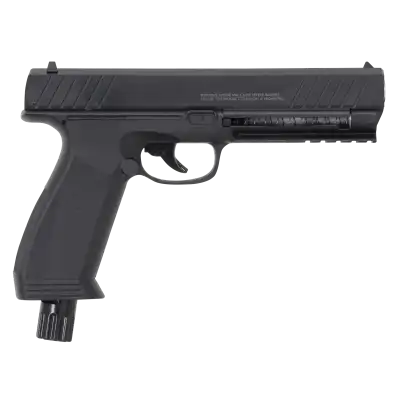
Rubber pellet guns (.43, .50, .68 caliber, etc.): Propel hard rubber pellets at high velocity, causing a painful and incapacitating impact. Some models can fire chalk pellets (for marking) or pepper pellets (for an irritating effect). They are often powered by CO2 cartridges.
Alarm or blank guns (8mm, 9mm PAK caliber): Reproduce the sound of a real gunshot using blank cartridges, providing a strong deterrent effect. They can also project tear gas or pepper spray via adapters.
Gas guns (tear gas, pepper spray): Propel a cloud of irritant gas to incapacitate the attacker at close range. These models are generally compact and easy to use.
Gumball Guns: Similar to rubber pellets but with a potentially stronger impact.
Each type offers a level of response adapted to different situations, favoring the deterrent and non-lethal effect.
Legality and Categorization of Defense Weapons
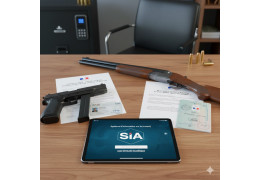
Legislation on defensive weapons varies considerably from country to country. In France, for example, most non-lethal defensive pistols (gas, blank, or rubber pellet) are classified as Category D, meaning they are freely available to adults, but their carrying and transportation are regulated and generally prohibited without a legitimate reason.
It is imperative to thoroughly research the legislation in force in your geographical area before purchasing and using a defense pistol. For a clear understanding of the legal options, you can consult specific models such as the defense pistol available on certain specialized sites.
Benefits of the Non-Lethal Defense Pistol
Choosing a non-lethal defense pistol offers several key benefits for personal safety and home protection.
Strong Psychological Deterrence
The realistic appearance of many non-lethal defense pistols, especially blank-firing or rubber-ball models, provides an immediate psychological deterrent . The sight of a weapon and the sound of a blank firing can be enough to scare an attacker away, thus avoiding the need for physical force.
This is a major advantage in defusing a dangerous situation without escalation.
Temporary Neutralization of the Aggressor
Projectiles (rubber pellets) or irritants (tear gas, pepper spray) are designed to cause intense pain, temporary visual impairment, or breathing difficulties, giving the victim time to escape or call for help. The effect is immediate and not permanent.
This provides a valuable window of safety in the event of an attack.
Ease of Use
Many defensive pistols are designed to be easy to use, even under stress. Their mechanism is often intuitive, and their handling is similar to that of a firearm, allowing for relatively quick handling after familiarization.
This is important in a situation where every second counts.
Legal and Ethical Security
Using a non-lethal weapon significantly reduces the risk of causing serious or fatal injury to the attacker, which is crucial from both ethical and legal perspectives. In self-defense, the use of force proportionate to the threat is a fundamental principle of law.
The defense pistol allows for a graduated and controlled response.
Choosing Your Defense Pistol: Essential Criteria
Selecting the right defense pistol should be based on your needs, intended use, and legislation.
Ammunition Type and Desired Effect
Impact: If the goal is a painful and deterrent impact, rubber ball guns are suitable.
Gas/Irritant: For blinding and respiratory effects, gas or pepper spray guns are effective, especially indoors.
Sound Deterrent: Blank guns are most relevant for a very loud sound effect.
Some models are versatile and can fire different ammunition.
Food and Autonomy
CO2 pistols are popular for their simplicity and power. Check the magazine capacity and ease of reloading. For gas models, inquire about the cartridge life.
Ergonomics and Handling
Choose a model with a comfortable and secure grip. Good ergonomics are essential for efficient handling in stressful situations. Weight and size are also important considerations for discreet carrying or storage.
Brand and Reliability
Choose brands known for their reliable products. A reputable gun shop will be able to advise you on manufacturers with proven track records in the field of defensive weapons. Manufacturing quality is a guarantee of safety and effectiveness.
Responsible Use and Knowledge of Legislation
Acquiring a defense pistol comes with great responsibility.
Training and Familiarization
It is highly recommended that you familiarize yourself with the operation of your defense pistol. Practicing handling (loading, aiming, firing blanks) allows you to acquire the right reflexes in case of need. Understanding the range and the actual effect of ammunition is crucial.
Strict Compliance with Legislation
Before purchasing a weapon, be sure to find out exactly how the weapon and ammunition are classified in your country. Understand the conditions of sale, possession, carrying, and transportation. Failure to comply with the law can lead to serious legal consequences.
Use in Cases of Self-Defense
The use of a defensive weapon should only occur in cases of strict self-defense , that is to say an immediate, necessary and proportionate response to an unjustified attack. The objective is to protect oneself from imminent danger to oneself or others, or to one's home.
Secure Storage
Even non-lethal, a defense pistol must be stored securely, out of reach of children and unauthorized persons. A safe or secure cabinet is ideal.
The gun shop offers personal defense solutions that allow responsible citizens to feel safer without resorting to lethal means. The non-lethal defense pistol is a deterrent and temporary incapacitation tool that, when used responsibly and in accordance with the law, can make all the difference in the event of a threat.
📌 The products discussed in this article are available at the bottom of the page. And if you can't find exactly the model you're looking for, simply type the name of the desired product into the search bar of our store - you'll find it in seconds.